Capital Gutters | Seamless Gutter Installation & Repair in CT & RI
Capital Home Tips
By Capital Gutters
Roof Replacement 101: How to Know When It’s Time
01/22/26
Article No. 3
A roof is one of your home’s biggest defenders— when it’s in working order. When the roof is damaged, or it has reached its expiration date, major problems can arise for the rest of your home. But, the damage isn’t always noticed early, or promptly dealt with. Catching issues before they create serious damage can save you from stress and costly repairs. Follow along for a guide to help keep your roof in shape. 👇
Age Matters
Regardless of the style of roofing material, they all have a best-by date. While it is not a down-to-the-day expiration, it is crucial to perform regular inspections and maintenance to your roof, especially toward the end of its predicted lifespan.
Depending on environmental factors and installation quality, most asphalt roofs typically last around 20-25 years.
✨Not sure how old your roof is? Having a professional inspection done can help estimate and give insight to the its “quality of life”.
The Signs
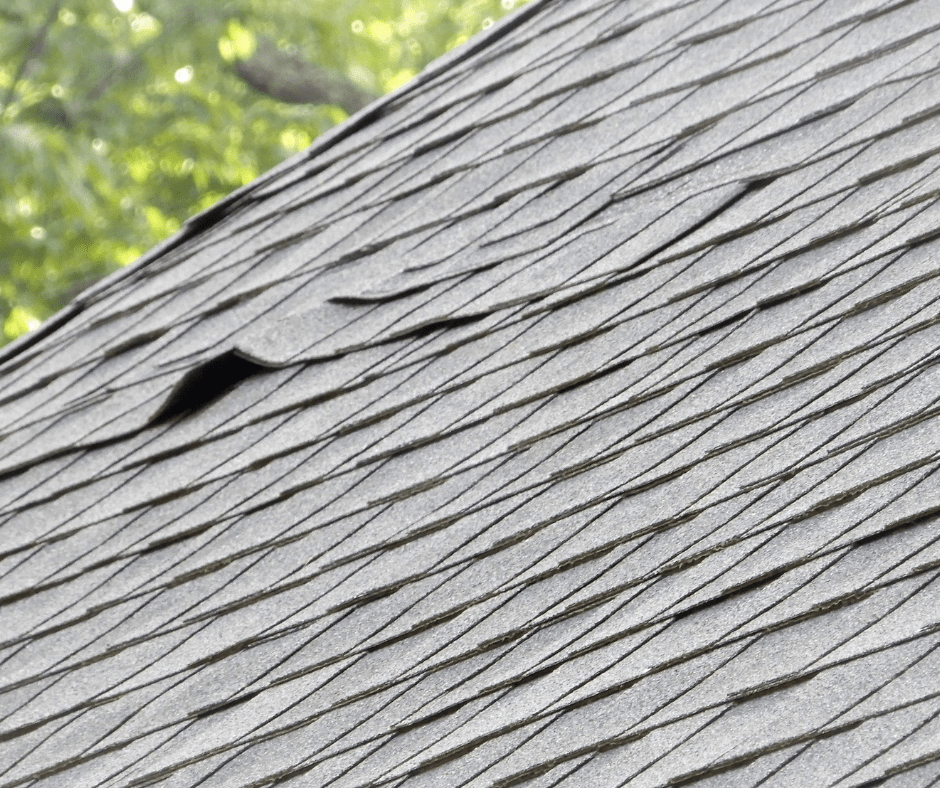
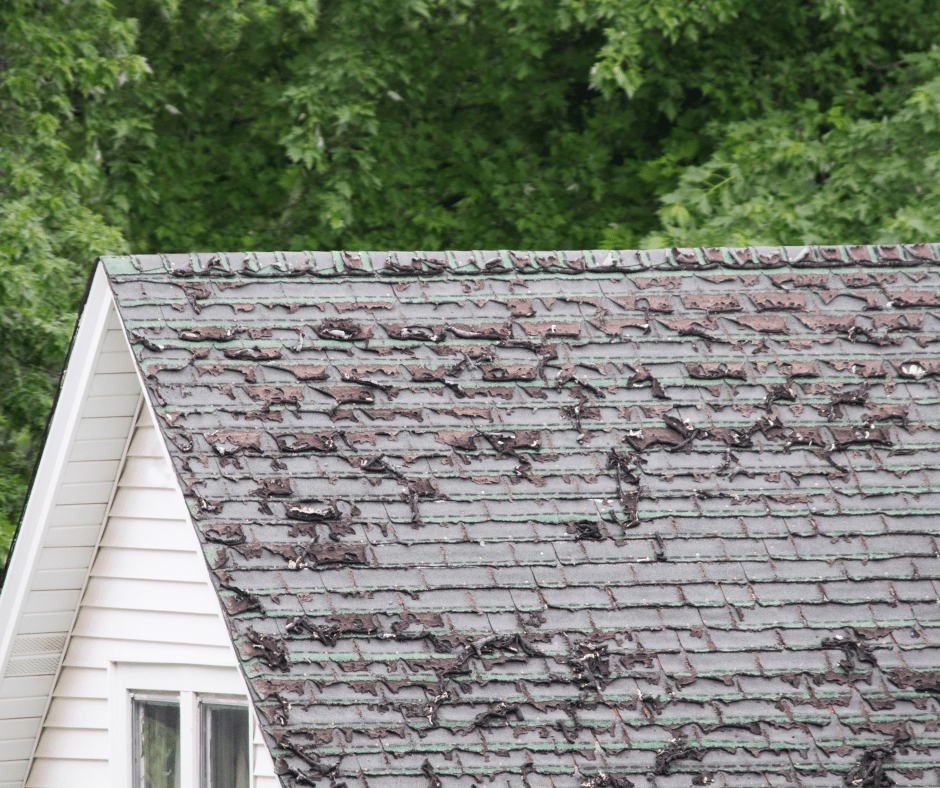
Various signs your roof may be aging out can arise. If you spot missing or curling shingles, heavy accumulation of granules in your gutters, internal leaks, water staining, or musty smells, it may be time to have a professional take a look.
A missing shingle after an intense storm, or a small skittering of granules may be simply due to weather and be handled with repairs or regular maintenance.
On the other hand, significant shingle loss, or multiple leaks can be a telltale sign that that your roofing system is in need of serious repairs, or even replacing.
What to Do
Keep an eye out for any potential issues. You can follow these steps from the security of the ground regularly:
After any major storms, walk around the perimeter of your home. Look along the roofline for missing shingles or debris.
Note any bare spots, curling, or lifting shingles.
Step back. Take a look from a distance. Does the roof appear to sag in any areas? (If you have to cross the street, don’t forget to look both ways!)
Scan the roofline for any signs of rust on flashing, or rot on trim boards.
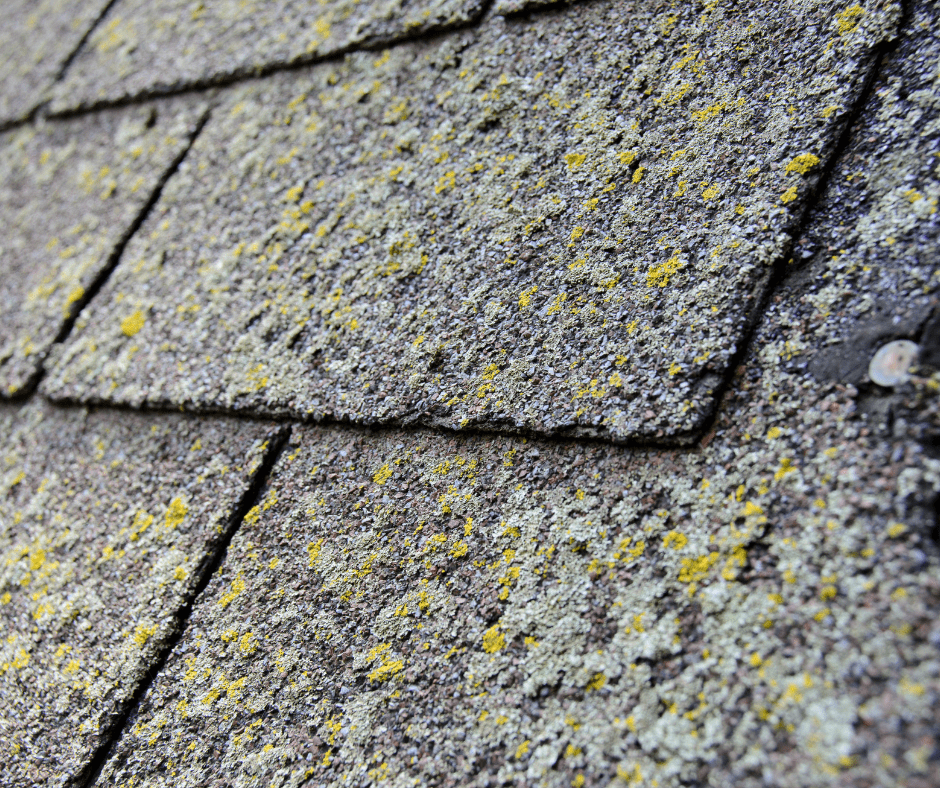
Note any moss or algae growth. (We like it on the ground, not on our homes. Moss growth can damage shingles, leading to potential future moisture problems.)
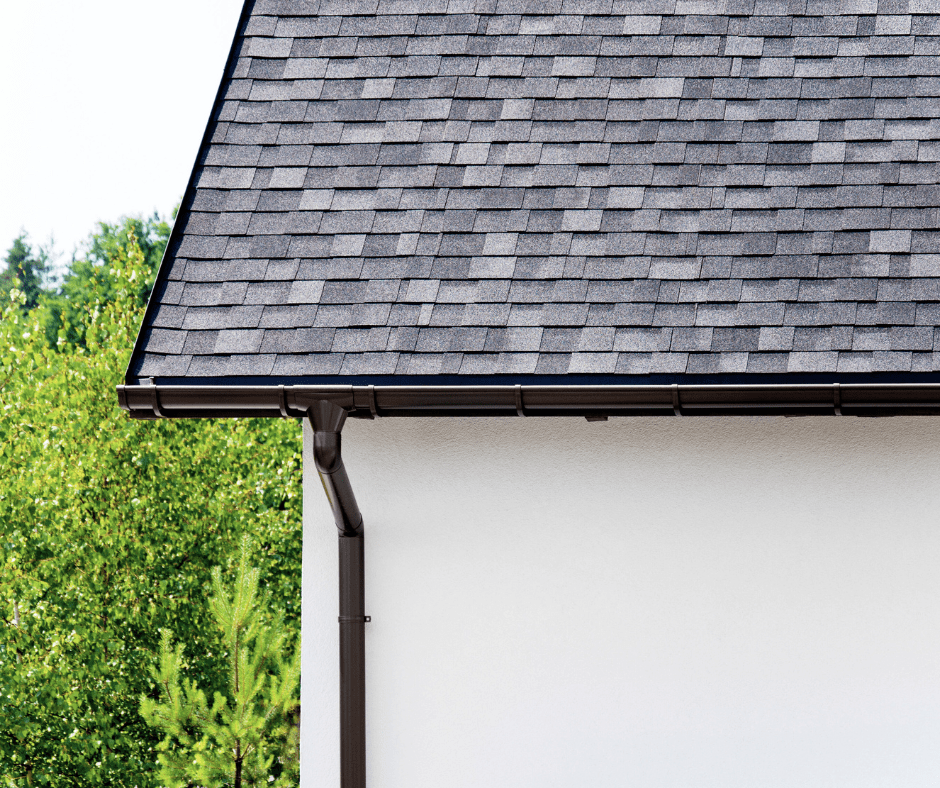
Pinpoint your downspout locations. Check the ground below them for heavy granule accumulation. Over time, it is normal for some granules to come loose. But large quantities can mean your shingles might be overdue for a more in-depth inspection.
If you’re not sure? Call a professional. Identifying problems before they grow past their breaking point can help save you money, time, and stress.
✨At Capital, we believe in free, honest assessments. If you’ve noticed any of these signs, or want an age evaluation done, we can help.
What to Look For
Choosing the right contractor for your needs is nearly as important as regular inspections and maintenance. Finding a contractor that is licensed, insured, and locally trusted is essential.
When searching, look for these key attributes:
Knowledgeable— your contractor should know the ropes of the trade. Look for one who communicates the job thoroughly, answers your questions transparently, and puts the information in writing.
Professional— a true professional will be licensed and insured. This is a #1 thing to steer clear of. This protectsyou as a homeowner. True professionalism includes jobsite safety practices and cleanliness, too. Their conscientiousness protects you, your home, and their crews.
Trustworthy— Trust your gut. Ask yourself questions like, “do I feel comfortable with this contractor?, “do they explain the job scope and pricing in a way that I am comfortable with?”, “do their online reviews match my the experience I want to have?”, “are my friends/family/neighbors who hired this contractor happy with the product, or service they received?” Looking at online reviews, and consulting with other trusted ones who have dealt with the company before can help you to decide.
Overall, it’s important to make the best choice for you, your budget, and your home. Choosing a contractor that educates, doesn’t make you feel forced, and installs quality materials will help you to receive the service you and your home deserve.